

Mold testing is an essential process for ensuring the health and safety of your newly constructed home. Despite being brand-new, homes are not immune to mold issues, as moisture can become trapped during construction or materials may be exposed to damp conditions. Below is a guide on how and when to conduct mold testing in a newly built property.
Why Test for Mold in a New Home?
New homes are often assumed to be free of mold due to their recent construction; however, several factors can contribute to mold growth even before the home is occupied. These include: – High humidity levels during construction: If materials such as wood or drywall are not properly dried before installation, they can harbor moisture that fosters mold growth. – Improperly sealed windows or roofs: Water leaks can occur if sealing is inadequate, providing an opportunity for mold spores to settle and grow. – HVAC system contamination: If the HVAC system was installed when construction dust and debris were present, it could distribute mold spores throughout the house.
Testing for mold ensures that these potential issues are identified early, allowing you to address them quickly before they escalate into larger problems.
Best Times to Conduct Mold Testing
Timing is critical when it comes to mold testing in a new home. The following stages are ideal: 1. Post-construction but pre-occupancy: Conducting a test after construction but before moving in ensures that no hidden problems exist. 2. Following significant weather events: Heavy rain or extreme humidity during or after construction increases the risk of trapped moisture leading to mold development. Testing after these events is recommended. 3. After noticing signs of potential moisture issues: Look out for musty odors, condensation on windows, or water stains on walls and ceilings.
Steps for Conducting Mold Testing
- Check areas prone to moisture buildup, such as basements, attics, crawl spaces, kitchens, and bathrooms.
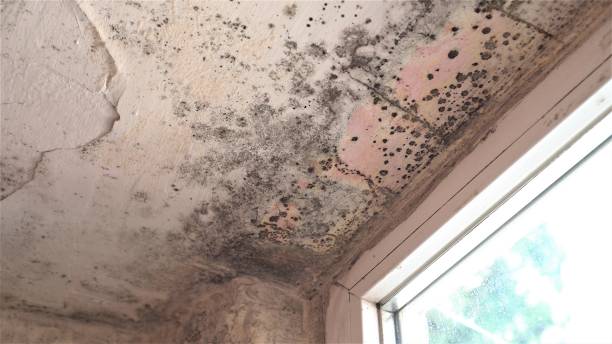
- Look for discoloration on walls, ceilings, floors, and around ventilation systems.
- Purchase a reliable test kit from a hardware store or online source.
- Follow instructions carefully; typically, this involves collecting air samples or swabbing surfaces for analysis.
- Professional testers use advanced methods like air sampling pumps and infrared cameras to detect hidden moisture pockets or microbial growth.
- They provide comprehensive reports on the extent of any contamination detected.
| Method | Cost Range | Accuracy Level | Best For |
| Visual Inspection | Free | Moderate | Identifying visible signs of damage |
| DIY Test Kits | $10–$50 | Moderate | Small-scale surface-level testing |
| Professional Inspection | $300–$1,000+ | High | Comprehensive detection in large areas |
Tips for Accurate Results
To ensure your efforts yield precise findings: – Test during humid conditions (above 50% relative humidity), as this encourages spore activity. – Avoid disturbing settled dust prior to testing so airborne spore counts are not artificially inflated. – Retest if initial results are inconclusive or if remediation has been performed recently.
Next Steps After Testing
If tests confirm the presence of mold: – Address sources of water intrusion immediately (e.g., fix leaks). – Consider professional remediation services if the affected area exceeds 10 square feet. – Monitor indoor humidity levels using dehumidifiers where necessary.
By conducting timely and thorough mold testing following proper steps and at appropriate intervals, homeowners can safeguard their investment while protecting indoor air quality long-term.
Discover Why Lakeland, FL Mold Removal Is Essential Even for Newly Built Homes
While it may seem counterintuitive, newly constructed homes are not immune to mold growth. In fact, certain characteristics of new construction can create an ideal environment for mold to thrive. Mold is more than just an aesthetic concern—it poses risks to both structural integrity and indoor air quality. Understanding why mold can affect even new homes is essential for homeowners and builders alike.
Essential Guide to Mold Testing Lakeland, FL: Causes of Mold in New Homes
- Building materials such as wood, drywall, and insulation can absorb moisture during storage or transport.
- Rain or humidity during the construction process often leads to damp structures that are sealed before fully drying out.
- Enclosed spaces (e.g., walls and attics) trap moisture, creating an ideal breeding ground for mold.
- New homes are often designed to be energy-efficient with tightly sealed windows and doors. While this minimizes energy loss, it also reduces airflow that might otherwise prevent moisture buildup.
- Poor ventilation in areas prone to humidity, such as bathrooms and basements, exacerbates the issue.
- Many construction materials like wood studs, paper-faced drywall, and natural insulation contain organic components that serve as food sources for mold when combined with moisture.
- Construction schedules do not always allow sufficient time for materials to dry properly before being enclosed or finished.
Understanding Health Risks with Lakeland Mold Removal Services
- Respiratory issues (e.g., coughing, wheezing)
- Allergic reactions such as sneezing or skin irritation
- Aggravation of asthma symptoms
- Long-term exposure risks such as fatigue or sinus infections
Those most vulnerable include children, elderly individuals, and people with compromised immune systems.
Structural Issues Caused by Mold
| Problem | Potential Impact |
| Decay of wooden framing | Weakens support structures |
| Compromised drywall | Leads to sagging or crumbling walls |
| Damage to insulation | Reduces energy efficiency |
If left unaddressed, these damages can lead to costly repairs down the line.
Why Awareness Matters
Both homeowners and contractors should recognize that new builds are not inherently resistant to mold issues. Proactive steps—including proper drying of materials during construction and ensuring adequate ventilation—go a long way in preventing problems from arising. Identifying vulnerabilities early on helps save money and ensures a safer living environment for future inhabitants.
By understanding these risks specific to new homes, it’s possible to take informed actions that mitigate potential hazards before they escalate into significant issues.
The Risks of Trapped Moisture in Building Materials During Construction
Trapped moisture in building materials during the construction process can create a fertile environment for mold growth in newly constructed homes. Understanding the risks associated with this issue is vital for both builders and homeowners to ensure a healthy indoor environment and preserve the structural integrity of the home.
Why Trapped Moisture is a Concern
- Mold Growth: Mold thrives in damp environments and can develop within 24-48 hours when moisture is present.
- Structural Damage: Over time, consistent exposure to moisture can cause wood rot and deteriorate other building materials like drywall or insulation.
- Indoor Air Quality Issues: Mold spores released into the air may lead to respiratory issues, allergies, or asthma in occupants.
- Costly Repairs: Identifying and addressing mold after construction can be far more expensive than preventive measures.
Common Sources of Trapped Moisture
- Rain During Construction: Open framing exposed to rain without proper weatherproofing increases the risk of water seeping into porous materials.
- Concrete Curing: Concrete inherently contains moisture that needs sufficient time to cure before being covered by flooring or paint. Premature covering can trap excess water inside.
- Improper Material Storage: Building materials like lumber and drywall stored outside without proper protection may absorb moisture from rain or humidity.
- Inadequate Ventilation Systems: Poor ventilation during construction prevents proper drying of damp areas.
Warning Signs of Trapped Moisture Post-Construction
- Peeling paint or wallpaper.
- Warped floors or cabinetry.
- Persistent musty odors.
- Visible mold patches on walls, ceilings, or HVAC systems.
A professional inspection using tools like moisture meters and thermal imaging cameras can help confirm whether trapped water exists within your new home’s structure.
Preventive Measures During Construction
- Protect Materials: Ensure all building materials are stored in clean, dry locations away from rain and condensation sources.
- Weatherproofing Techniques: Use tarps, temporary roofing solutions, and water-resistant barriers to shield unfinished structures from rain exposure.
- Allow Proper Drying Time: Avoid rushing through phases like plastering and painting until underlying surfaces have dried completely.
- Ventilation Management: Install temporary ventilation systems during construction to promote air circulation and speed up drying processes.
| Issue | Prevention Measure | Benefit |
| Rain on Framing | Use tarps over exposed structures | Reduces water absorption |
| Improper Drywall Storage | Store indoors with pallets underneath | Prevents material warping |
| Insufficient Ventilation | Use fans/dehumidifiers on-site | Speeds up evaporation |
Addressing these risks proactively ensures that your newly built home remains free from hidden mold problems caused by entrapped moisture—ensuring safety, durability, and peace of mind for years ahead.
Finding the Best Mold Removal Company Lakeland, FL: A Guide to Testing for Mold in Your New Home
Mold testing in a newly constructed home is essential to ensure a healthy living environment. Even new homes are not immune to mold growth, often due to construction practices, trapped moisture, or unintentional contamination. Here’s a step-by-step guide on how to test for mold in your new home effectively.
When Should You Test for Mold?
Testing for mold in a newly built home is crucial if:
– You notice unusual odors, especially musty smells, even after thorough cleaning.
– There are visible signs of discoloration on walls, ceilings, or around windows.
– Family members experience persistent allergy-like symptoms (e.g., sneezing, coughing, itchy eyes) without an obvious cause.
– The construction process experienced delays or exposure to wet weather conditions.
Tools and Materials Needed for Mold Testing
| Tool/Material | Purpose |
| Mold Testing Kit | To collect samples from surfaces or air |
| Protective Gear (gloves & mask) | For safety during sample collection |
| Flashlight | To inspect dark or hard-to-see areas |
| Screwdriver/Drill | For accessing wall cavities |
If performing DIY testing seems daunting or if you suspect extensive contamination, consider hiring professional mold remediation experts.
Surface Sampling
Surface sampling involves collecting samples from areas where mold is visible or suspected. Steps include:
1. Wipe the affected surface using the swab provided in your testing kit. 2. Store the sample securely and follow the instructions provided with the kit for accurate lab analysis.
Air Quality Testing
Airborne spores can travel undetected through HVAC systems and other pathways. Air quality tests use spore traps to measure the concentration of mold spores within specific rooms:
1. Place an air sampling device near ventilation systems or central living spaces. 2. Run the device according to manufacturer recommendations before sending collected samples for laboratory analysis.
Bulk Sampling (For Construction Debris)
This approach involves gathering pieces of suspected contaminated materials like drywall:
1. Carefully cut out small sections of material showing signs of water damage or discoloration. 2.Homeowners should test
Why Professional Mold Testing is Crucial for New Homeowners
Newly constructed homes are often perceived as pristine and free from any structural or environmental issues. However, hidden problems like mold growth can still arise, even in brand-new builds. Professional mold testing is a critical step for new homeowners to ensure their living space is safe, healthy, and free from potential mold contamination. Here’s why professional mold testing should not be overlooked.
Detecting Hidden Mold Growth
Mold can thrive in areas that are not visible to the naked eye. Some common hidden locations for mold include:
– Wall cavities
– Under flooring materials (e.g., hardwood, laminate, or tiles)
– HVAC systems and ductwork
– Inside insulation layers
Professional mold inspectors use advanced tools like moisture meters, infrared cameras, and air sampling devices to detect and locate hidden mold growth accurately. Without these tools or expertise, it’s nearly impossible for homeowners to identify potential contamination sources themselves.
Preventing Health Issues
Mold exposure can trigger several health problems such as:
– Respiratory issues (e.g., asthma and sinus infections)
– Allergic reactions (e.g., sneezing, itchy eyes, or skin irritation)
– Headaches and fatigue due to poor indoor air quality
Professional testing ensures that your home environment is evaluated for both visible and microscopic mold spores. If elevated levels of airborne spores are detected during testing, remediation steps can be taken before health issues arise or worsen.
Addressing Construction Defects Early
Construction practices may unintentionally create environments conducive to moisture retention—an ideal condition for mold growth. These issues often occur due to:
– Poorly sealed windows or doors allowing water intrusion
– Improper ventilation in areas like bathrooms and kitchens
– Trapped moisture in building materials such as drywall or wood due to inadequate drying during construction
A professional inspection can help identify whether such construction-related defects are present and provide recommendations on corrective actions.
Reliable Test Results
DIY mold test kits might seem convenient but often produce unreliable results due to improper handling or limited scope of analysis. On the other hand, professional testers follow industry-standard procedures set by organizations like the American Industrial Hygiene Association (AIHA) or Indoor Air Quality Association (IAQA). These experts collect samples under controlled conditions and send them to certified laboratories for comprehensive analysis.
| DIY Test Kits | Professional Mold Testing |
| Unreliable due to environmental interference | Accurate results verified by certified labs |
| Limited detection capabilities | Advanced tools detect hidden molds effectively |
| No expert guidance | Professional recommendations on remediation |
Protecting Your Investment
A newly constructed home represents a significant financial investment. Undetected mold issues can lead to expensive repairs down the line if left unchecked. For example:
1. Structural damage caused by prolonged water exposure leading to weakened walls or ceilings 2. The need for extensive remediation if a small issue escalates over time
By hiring a professional inspector upfront, you mitigate risks early while protecting the long-term value of your property.
Investing in professional mold testing is not merely an added expense but an essential measure toward ensuring safety, comfort, and peace of mind in your newly constructed home.
Why Professional Mold Testing is Crucial for New Homeowners
Mold issues are often associated with older homes, but newly constructed houses are not immune to mold growth. Understanding why professional mold testing is essential can help new homeowners safeguard their investment and ensure a healthy living environment.
The Importance of Professional Expertise
- Detecting hidden mold in inaccessible areas.
- Measure indoor air quality and identify airborne spores.
- Determine the type of mold present (e.g., allergenic, toxigenic).
- Assess the level of contamination to recommend appropriate remediation.
By hiring experts, homeowners gain an accurate understanding of whether their home is safe and free from underlying issues that could worsen over time.
Benefits for New Homeowners
- Detecting Initial Issues Early
Identifying mold early prevents it from spreading further and causing costly damage to building materials like drywall, insulation, or wood framing. - Health Protection
Mold exposure can trigger respiratory problems, allergies, or other health concerns. Air testing helps ensure that your home’s indoor air quality meets safe living standards. - Peace of Mind
Professional testing provides clear data on whether your home is truly free from hidden dangers. This certainty allows you to confidently settle into your new space without worrying about unexpected surprises. - Addressing Warranty Concerns
Many builders offer warranties for newly constructed homes covering structural elements or workmanship flaws. If professional testing uncovers moisture-related issues leading to mold development, these findings may support claims against the builder’s warranty.
When Should Testing Be Conducted?
- Before Moving In: Conducting tests before moving furniture or personal belongings ensures that any necessary remediation won’t interfere with your daily life.
- After Heavy Rain: If there have been substantial rains shortly before construction completion or during early occupancy, it’s wise to test for leaks or water intrusion.
- During HVAC Activation: Mold spores often spread through ventilation systems; thorough testing when the HVAC system is first used can help detect potential contamination sources.
Key Factors That Require Professional Assessment
| Factor | Why It Matters |
| High Indoor Humidity Levels | Sustained humidity above 60% encourages rapid growth |
| Trapped Construction Moisture | Wet materials (e.g., wood framing) foster molds |
| Poor Ventilation | Limited airflow increases moisture retention |
| Plumbing Leaks | Hidden leaks behind walls lead to undetected damage |
Choosing a Qualified Mold Testing Specialist
Look for certified professionals with credentials such as those from the American Council for Accredited Certification (ACAC) or similar organizations. Verify their experience with new constructions specifically and request detailed reports outlining findings and recommendations after inspection.
Professional mold testing is not merely an added step but a vital measure in protecting both health and property value for new homeowners.
Common Construction Practices That Lead to Mold Growth and How to Avoid Them
Mold growth is not just a concern in older homes; it can also be a significant issue in newly constructed properties. Improper construction practices or overlooked details during the building process often create conditions conducive to mold growth. Understanding these practices and how to prevent them is crucial for ensuring a healthy home environment.
Poor Moisture Control During Construction
One of the most common culprits of mold growth in new homes is poor moisture management during construction. Builders often fail to adequately protect materials from rain, humidity, or groundwater exposure. Wet wood, drywall, and insulation can become breeding grounds for mold if they are installed while damp.
Ways to Prevent Moisture Issues: – Cover exposed materials with tarps or plastic sheets at the job site if rain is expected. – Store construction materials off the ground and in dry, elevated areas. – Ensure that any damp materials are thoroughly dried before installation.
Insufficient Ventilation
Improper ventilation systems in new homes can trap moisture indoors, creating an ideal environment for mold spores to thrive. Bathrooms, kitchens, and laundry rooms are especially vulnerable due to their high levels of humidity.
How to Improve Ventilation: – Install exhaust fans in high-moisture areas such as bathrooms and kitchens. – Use energy recovery ventilators (ERVs) or heat recovery ventilators (HRVs) to improve air circulation. – Ensure that vents expel air outdoors rather than into attics or crawl spaces.
Lack of Proper Drainage Systems
Improper grading around the foundation can lead to water pooling near the base of the home. This excess water can seep into basements or crawl spaces, increasing the risk of mold development.
Solutions for Effective Drainage: – Grade soil so that it slopes away from the foundation by at least 6 inches over 10 feet. – Install French drains or other drainage systems around the property perimeter. – Ensure gutters and downspouts direct water away from the home’s foundation.
| Common Issue | Impact | Prevention Strategy |
| Poor material storage | Wet materials promote mold | Cover materials; store them off damp surfaces |
| Inadequate roof drainage | Standing water on roofs | Install properly sloped roofing; add gutters |
| Improper HVAC configuration | Trapped indoor moisture | Use dehumidifiers; maintain HVAC regularly |
Use of Porous Building Materials
Certain building materials like untreated wood, standard drywall, and carpet backing are highly absorbent. If they come into contact with moisture during construction or after completion, these porous surfaces can harbor mold spores.
Tips on Material Selection: – Opt for treated lumber designed to resist moisture absorption. – Use mold-resistant drywall specifically designed for high-humidity areas. – Consider alternatives like ceramic tiles or concrete flooring instead of carpeting in basements or other damp-prone spaces.
Failure to Address Post-Building Leaks
Newly built homes may develop leaks due to improperly sealed windows, doors, roofs, or plumbing connections. Even small leaks left unchecked can lead to significant mold problems over time.
Steps for Leak Prevention: – Inspect seals around windows and doors during final walkthroughs. – Have roof flashing checked by a professional after installation. – Pressure-test plumbing systems before moving into your new home.
By addressing these common construction practices early on through proactive measures, builders and homeowners alike can significantly reduce the risk of mold growth in newly constructed properties. Proper planning and attention to detail go a long way toward creating safe and healthy living spaces.
- Effective Lakeland, FL Mold Removal: Tips to Control Indoor Humidity and Prevent Growth
- Choosing the Right Mold Removal Company Lakeland, FL: Essential Before Selling Your Home
- Expert Advice from a Mold Removal Company Lakeland, FL: Tips to Prevent Serious Health Hazards
- Effective Mold Remediation Lakeland, FL: When and How to Test for Mold in New Homes
- Importance of Mold Remediation Lakeland, FL, Before Purchasing Your Dream Home
- Essential Tips for Lakeland, FL Mold Removal and Ensuring a Safe Home
- Making Lakeland, FL Mold Removal a Priority: Protect Your Home and Future Investment