Choosing the Right Mold Removal Company Lakeland, FL: Essential Before Selling Your Home

Rhizopus (bread mold) is a genus of common saprophytic fungi,Rhizopus (bread mold)  under the microscope. Rhizopus (bread mold) is a genus of common saprophytic fungi,Rhizopus (bread mold)  under the microscope. mold spores stock pictures, royalty-free photos & images

When preparing to sell your home, conducting a mold inspection is a crucial step that can directly influence the outcome of your sale. Mold is more than just an unsightly problem—it can deter buyers, lower property value, and even lead to legal complications if left unaddressed. A thorough mold inspection ensures that these issues are dealt with proactively, setting the stage for a smoother selling process.

The Importance of Mold Inspections

  • Decreased buyer confidence: Buyers may perceive the presence of mold as a sign of neglect or poor maintenance.
  • Lower offers: Mold issues often compel buyers to negotiate for lower prices due to anticipated remediation costs.
  • Delayed sales: Addressing mold problems after they’ve been discovered by buyers can lead to extended timelines.

Being proactive with an inspection ensures you’re in control of how mold problems are resolved before reaching the negotiation table.

How Mold Impacts Home Sales

  1. Health Concerns: Mold exposure has been linked to respiratory issues, allergic reactions, and other health risks. Buyers with young children, elderly family members, or pre-existing health conditions are especially cautious about purchasing homes with confirmed mold problems.
  2. Structural Damage: Left untreated, mold can damage walls, flooring, insulation, and other structural components. This not only reduces aesthetic appeal but also creates additional repair costs.
  3. Legal Risks: In some cases, sellers may be legally obligated to disclose known issues with mold. Failure to do so could result in lawsuits after the sale.

Benefits of Addressing Mold Issues Before Listing

  • Improved Marketability: A clean bill of health from a professional inspector makes your property more appealing.
  • Stronger Bargaining Power: Addressing mold upfront minimizes buyer concerns and reduces their leverage during price negotiations.
  • Faster Sales Process: With fewer contingencies tied to repairs or inspections post-offer, you’ll likely close faster.
Potential Problem Impact on Sale Solution
Visible Mold Growth Lowers buyer interest Professional remediation
Hidden Moisture Issues Delays due to further testing Pre-sale inspection and moisture control
Concerns Over Air Quality Health-related hesitation Air quality testing and preventive measures

Key Steps for Sellers

  1. Hire a certified professional inspector who specializes in detecting both visible and hidden signs of mold.
  2. Work with licensed remediation specialists who will safely remove it.
  3. Address underlying causes such as leaks or humidity issues.
  4. Obtain documentation proving that all remediation efforts were completed successfully.

By incorporating these measures into your pre-listing preparations, you demonstrate responsibility as a seller while paving the way for a more successful transaction.

How Lakeland, FL Mold Removal Can Protect the Value of Your Home

Mold is more than just a cosmetic issue—it can have far-reaching implications on your property’s marketability and overall value. Whether you are planning to sell your home or simply maintain its worth, understanding how mold affects property value is essential.

How Mold Remediation Lakeland, FL, Can Prevent Decreased Property Value

  • Visible Mold Growth: Any signs of mold on walls, ceilings, or floors can deter potential buyers.
  • Hidden Mold Issues: If detected during an inspection, hidden mold (such as in crawl spaces or behind walls) can lead to renegotiations or expensive repairs.
  • Stigma: Homes with a history of mold problems may develop a negative reputation in the real estate market.

Avoid Increased Repair Costs with Mold Testing Lakeland, FL

  • Price Reductions: Sellers may be forced to lower their asking price to account for mold removal.
  • Extended Time on Market: Homes with unresolved mold issues may remain unsold for longer periods.
  • Failed Transactions: Sales agreements might collapse if mold concerns are not adequately addressed upfront.
Mold Issue Impact on Home Sale Estimated Remediation Cost Range
Surface Mold Deters buyers but may be resolved relatively easily $500–$3,000
Structural Damage from Mold Leads to major repair negotiations $10,000+
Health Risks Due to Mold Spores Potential legal liabilities or buyer withdrawals Varies

Protect Your Home with Lakeland Mold Removal Services

  • Allergies or respiratory issues triggered by airborne mold spores
  • Aggravation of pre-existing conditions like asthma
  • Legal liability if unsafe conditions persist after the sale

Common Types of Mold That Lower Property Value

  1. Stachybotrys (Black Mold): Known for its toxicity and serious health risks; often suggests water damage.
  2. Aspergillus: Affects air quality and signals moisture-related problems.
  3. Cladosporium: Grows on wood surfaces and HVAC systems, indicating poor maintenance.

Preventing Mold from Affecting Your Home’s Value

  • Conduct regular inspections, especially in areas prone to moisture like basements or bathrooms.
  • Address leaks or water damage promptly.
  • Invest in professional mold remediation services when needed.

Taking proactive steps can help reassure potential buyers while enhancing your property’s long-term value.

Understanding How Mold Affects Health, Safety, and Overall Well-Being

Mold is a pervasive problem that can have far-reaching consequences if left unchecked. Its effects go beyond mere aesthetics; mold impacts health, compromises safety, and diminishes the overall well-being of those exposed to it. Let’s explore how mold affects these critical aspects in detail.

The Health Risks Associated with Mold Exposure

  • Respiratory Issues: Mold spores can irritate the respiratory system, triggering symptoms such as coughing, sneezing, nasal congestion, and wheezing.
  • Allergic Reactions: People sensitive to mold may experience allergic reactions like itchy eyes, skin rashes, and throat irritation.
  • Asthma Complications: Mold exposure can exacerbate asthma symptoms or trigger asthma attacks in affected individuals.
  • Chronic Fatigue: Prolonged exposure to toxic molds (such as black mold) has been linked to fatigue and difficulty concentrating.

For children, the elderly, and individuals with weakened immune systems, the risks are even higher. Long-term exposure may lead to more severe conditions such as fungal infections or compromised lung function.

Safety Concerns Related to Mold Growth

  • Structural Damage: Mold thrives in damp areas where moisture seeps into wood, drywall, or insulation. Over time, this can weaken materials and compromise structural stability.
  • Electrical Hazards: When mold grows near electrical wiring or outlets in humid areas such as basements or bathrooms, it increases the risk of electrical failures or fires.
  • Hidden Dangers: Mold often grows out of sight — behind walls or under floorboards — making it harder to identify until significant damage has occurred.

Ignoring these issues can lead to costly repairs while also creating an unsafe environment for occupants.

The Emotional Toll of Living with Mold

  1. Constant Maintenance Efforts: Repeatedly cleaning visible mold without addressing its root cause drains time and energy.
  2. Financial Burden: Ongoing remediation efforts add financial strain on top of regular home maintenance expenses.
  3. Decreased Quality of Life: A musty smell or visible patches of mold reduces comfort levels at home and creates anxiety about potential long-term impacts.

Preventing Negative Effects Through Timely Action

Step Action Benefit
1 Conduct routine inspections Identify issues before they escalate
2 Ensure proper ventilation Reduce humidity levels indoors
3 Address water damage promptly Prevent conditions conducive to growth
4 Hire professional services Ensure thorough removal for lasting results

Proactive measures not only protect personal well-being but also preserve property value over time by minimizing complications caused by unchecked mold growth.

Mold growth. Mould spores thrive on moisture. Mold spores can quickly grow into colonies when exposed to water Mold growth. Mould spores thrive on moisture. Mold spores can quickly grow into colonies when exposed to water mold spores stock pictures, royalty-free photos & images

How Addressing Mold Issues Early Can Prevent Delays and Complicated Negotiations During Sales

When preparing to sell your home, addressing mold issues early is a critical step. Mold not only affects the structure and appearance of a property but also raises red flags for potential buyers, leading to delays or even failed sales. Tackling the problem head-on before listing your home can save time, effort, and money during the sales process.

The Risks of Ignoring Mold Before Listing Your Home

  • Failed inspections: Most homebuyers request thorough inspections before finalizing a purchase. If mold is detected during this process, it can halt negotiations.
  • Price reductions: Buyers may demand significant price cuts or credits to cover remediation costs.
  • Buyer hesitation: The presence of mold can deter buyers altogether, making your property harder to sell.
  • Extended market time: Homes with unresolved mold issues tend to stay on the market longer.

By confronting these issues early, you not only maintain buyer interest but also protect your bottom line.

Steps to Address Mold Issues Before Selling

  1. Conduct a professional inspection
    Hire a certified mold inspector to assess whether there are hidden or visible signs of mold. A detailed inspection will help identify any hot spots and determine the severity of the problem.
  2. Identify and resolve moisture problems
    Mold thrives in damp environments. Address sources of moisture such as leaking pipes, roof leaks, or poor ventilation in areas like basements or bathrooms.
  3. Invest in professional remediation services
    Attempting DIY removal may not completely resolve serious mold problems. Professional remediation ensures that all affected areas are properly treated and that future growth is minimized.
  4. Obtain clearance documentation
    After remediation is complete, request documentation from the professionals certifying that the property is free from harmful levels of mold. This serves as proof for potential buyers that the issue has been resolved effectively.

Benefits During Negotiations

Issue Resolved Benefits
Mold-free certification Boosts buyer confidence
Prevents unexpected surprises Smoothens inspection processes
Enhanced aesthetic appeal Improves first impressions for potential buyers

Taking proactive measures also reduces stress for both parties involved by eliminating last-minute hurdles during closing stages.

Proactive Communication With Buyers

Transparency about past issues builds trust with prospective buyers. If you’ve resolved a mold issue, disclose what was done and provide supporting documents from inspectors or remediation professionals. This demonstrates accountability and places you in a stronger position when negotiating terms.

By addressing potential complications like mold ahead of time, sellers position themselves for quicker transactions and fewer disruptions throughout the sales process—ultimately ensuring greater success at closing.

Steps to Take to Avoid Legal Problems Caused by Mold in Your Property

1. Conduct Regular Mold Inspections

  • Visual Inspection: Look for visible signs of mold growth, such as discoloration on walls, ceilings, or floors.
  • Moisture Assessment: Check for water damage or leaks that may foster mold growth.
  • Air Quality Testing: Engage professionals to test indoor air quality for elevated mold spore levels.

2. Keep Proper Documentation

  • The results of inspections and testing reports
  • Repairs or remediation efforts undertaken
  • Evidence of tenant notifications (if applicable)

Proper documentation can serve as a strong defense in case of disputes or legal claims related to mold.

3. Repair Water Damage Immediately

  • Fixing roof leaks or plumbing problems without delay
  • Ensuring proper drainage around the property’s foundation
  • Using dehumidifiers in areas prone to excess moisture

Timely repairs prevent conditions conducive to mold growth and demonstrate good faith in maintaining habitable living conditions.

4. Comply with Local Mold Disclosure Laws

Step Description
Disclosure During Sale Inform potential buyers if there has been previous or current mold remediation efforts
Tenant Notifications Notify tenants about existing hazards and any planned remediation work
Professional Assessments Rely on certified inspectors for accurate evaluations that align with local legal requirements

5. Work with Certified Mold Professionals

When dealing with significant mold problems, it’s advisable to hire certified professionals for assessment and remediation services. Professional involvement ensures that remediation meets industry standards while reducing liability risks.

Benefits include:
– Comprehensive removal processes backed by advanced tools and techniques – Detailed post-remediation verification reports – Assurance that your property complies with state laws regarding environmental safety

6. Communicate Transparently

Effective communication fosters trust between you and relevant parties such as buyers, tenants, or inspectors while minimizing misunderstandings about your handling of potential hazards.

Include key details like: – Remediation timelines – Any preventative measures implemented (e.g., sealants or waterproofing)
Being upfront about how you’ve addressed concerns demonstrates responsibility and reduces the likelihood of disputes.

By implementing these steps proactively, property owners can effectively mitigate risks tied to potential legal challenges stemming from unresolved mold issues while protecting both their investments and reputation.

Why Professional Mold Removal Is Essential for a Safe and Healthy Environment

Mold is not only an unsightly issue but also a potential health hazard and structural concern. Addressing mold effectively requires more than basic cleaning methods or DIY solutions. Hiring professional mold removal services ensures the safety of your home and its occupants while providing long-term results. Below, we explore why professional mold removal is critical.

Comprehensive Assessment and Detection

  • Use of specialized tools: Infrared cameras, moisture meters, and air quality testing to detect mold in walls, ceilings, or HVAC systems.
  • Identification of underlying causes: Professionals determine the root cause, such as leaks or high humidity levels, to prevent recurrence.
  • Customized action plans: Tailored remediation strategies based on the unique needs of your property.

Thorough and Safe Removal Process

  1. Containment: Setting up physical barriers and negative air pressure systems to isolate affected areas.
  2. Protective equipment: Use of PPE (Personal Protective Equipment) like gloves, goggles, and respirators to protect workers during cleanup.
  3. Effective cleaning agents: Application of EPA-approved biocides to eliminate mold colonies completely without harming surfaces or indoor air quality.
  4. Proper disposal: Ensuring contaminated materials are removed from your property safely.

Health Benefits

  • Removing allergenic spores from indoor spaces.
  • Preventing cross-contamination during cleanup.
  • Improving overall indoor air quality.

A healthier environment contributes not only to the well-being of current residents but also enhances the appeal of the property for future buyers.

Prevention Over Time

Area Suggested Prevention Techniques
Bathrooms Install exhaust fans; ensure proper ventilation
Basements Use dehumidifiers; seal foundation cracks
Kitchens Repair plumbing leaks; avoid excessive steam buildup
Roofs Fix leaks promptly; clean gutters regularly

By taking these steps during or after remediation, professionals protect your investment in both time and money.

Long-Term Cost Savings

While hiring a professional involves an upfront cost, it can save significant money over time by avoiding repeated cleanings or costly repairs due to untreated issues like structural damage from prolonged moisture exposure.

Investing in professional mold removal services ensures that your home remains safe, healthy, and structurally sound. This approach provides peace of mind that all traces of contamination are addressed effectively while minimizing future risks associated with mold growth.


Expert Advice from a Mold Removal Company Lakeland, FL: Tips to Prevent Serious Health Hazards

Moldy corner in a shower room Moldy corner in a shower room or bathroom with an out of focus shower head in the lower left of the image. The ceiling and wall are covered with dirty mold. mold spores stock pictures, royalty-free photos & images

Dealing with mold is not just a matter of aesthetics; it can also pose significant health risks if left unaddressed. Mold spores are microscopic and can spread rapidly through the air, potentially triggering respiratory problems, allergies, and other serious health issues. Below are critical tips for homeowners to safely and effectively handle mold removal while protecting their families and property.

Mold thrives in damp environments, so locating the source of moisture is a crucial first step in addressing any infestation.
– Leaky plumbing or roofs
– Condensation around windows or HVAC systems
– Poorly ventilated bathrooms or kitchens
– Flooding or water damage that hasn’t been properly dried

Once you’ve identified the source, take steps to eliminate it immediately to prevent further mold growth.

When dealing with mold removal, wearing proper protective equipment is essential to avoid exposure to harmful spores:
Mask:An N95 respirator mask will help reduce inhalation of airborne mold spores.
Gloves:Use non-porous gloves (like nitrile or rubber) for handling contaminated surfaces.Goggles:Protect your eyes from irritation by wearing sealed safety goggles.

This gear ensures you limit direct contact with mold particles and prevents inhaling them during cleanup efforts.

Level of Contamination Recommended Action
Small areas (under 10 sq ft) Clean with soap/water followed by a diluted bleach solution (1 cup bleach per gallon of water). Ensure proper ventilation during cleaning.
Moderate areas (10–30 sq ft) Consider using commercial-grade mold cleaners or consulting a professional if unsure about safety measures.
Major contamination (over 30 sq ft) Hire certified mold remediation specialists to avoid health hazards and ensure thorough removal.

Avoid painting over or caulking surfaces covered in mold—this does not address the root issue and could make matters worse over time.

Maintaining indoor humidity levels between 30%–50% can significantly reduce the risk of future mold growth. Tools like dehumidifiers and hygrometers can help monitor and control moisture levels effectively.

Additional tips include:
– Using exhaust fans in kitchens and bathrooms while cooking or bathing. – Ensuring proper drainage around your home’s foundation. – Cleaning HVAC system filters regularly to prevent trapped moisture from becoming a breeding ground for spores.

While small-scale infestations may be manageable on your own, widespread contamination requires professional expertise due to its complexity and potential hazards. Improper handling can worsen conditions by spreading spores throughout your home.

Professional services often include:
– Testing air quality for spore concentration levels – Identifying hidden pockets of moisture that could harbor molds – Utilizing specialized tools like HEPA vacuums for safe removal

Taking proactive steps toward mold removal not only protects your health but also preserves your property’s structural integrity over time. By following these tips consistently, you’ll minimize risks associated with this persistent household problem while ensuring a safer living environment for you and your family.

Essential Tips for Mold Remediation Lakeland, FL: Keeping Your Home Safe

Mold is not just an unsightly problem; it poses significant risks to both your health and the structural integrity of your home. Proper mold removal is an essential step in maintaining a safe, healthy, and comfortable living environment.

Understanding Health Risks Through Mold Testing Lakeland, FL

Mold can introduce harmful particles into the air, which may cause or exacerbate health problems. Understanding these risks highlights the importance of taking immediate action.

  • Respiratory Issues: Mold spores can irritate the respiratory tract when inhaled. Prolonged exposure may lead to coughing, wheezing, or shortness of breath.
  • Allergic Reactions: People sensitive to mold often experience sneezing, skin rashes, nasal congestion, or red eyes after exposure.
  • Asthma Complications: For individuals with asthma, mold exposure can trigger severe reactions or worsen their condition over time.
  • Toxic Effects: Certain types of molds (like black mold) produce mycotoxins that can cause neurological symptoms such as headaches, fatigue, and dizziness.

Protect Your Home’s Structure with Lakeland Mold Removal Services

Beyond health concerns, mold has a destructive impact on your property if left unaddressed.

Area Affected Potential Damage
Walls and Ceilings Weakening of drywall and paint peeling
Wood Components Decay in wooden beams or flooring due to moisture
HVAC Systems Contamination leading to reduced efficiency
Carpets and Upholstery Permanent staining and odor retention

Structural damage not only compromises safety but also leads to costly repairs if ignored for too long.

Why Mold Removal Should Be Done Professionally

While DIY efforts might seem appealing for small-scale problems, professional intervention is often necessary for thorough remediation.

  1. Accurate Assessment: Professionals identify hidden sources of moisture that encourage mold growth.
  2. Proper Equipment Use: Specialized tools like HEPA filters and industrial-grade dehumidifiers are used to eliminate spores entirely.
  3. Prevent Recurrence: Experts address both visible mold colonies and underlying conditions (e. g. , leaks) to prevent future outbreaks.
  4. Safety Assurance: Trained technicians follow strict safety protocols during removal processes.

Preventing Serious Consequences Through Timely Action

  • Minor issues escalate quickly in damp environments.
  • Mold spreads easily through spores traveling via air currents or water leaks.
  • Long-term neglect may result in irreparable harm requiring extensive renovations.

Taking swift yet calculated steps when dealing with mold not only safeguards your well-being but also preserves the value of your home. Investing in proper remediation ensures peace of mind while protecting what matters most—your family’s safety and comfort.

Identifying Hidden Mold Issues with Expert Lakeland, FL Mold Removal

Identifying mold early is crucial to protecting your home and health. Mold can often go unnoticed, thriving in hidden spaces and causing damage over time. By recognizing the signs of mold, you can take timely action to prevent further growth and mitigate risks. Below are some key indicators that mold may be present in your home.

Mold produces a distinct musty smell, often compared to damp soil or rotting wood. If you notice this odor lingering indoors, particularly in areas with little ventilation like basements or storage rooms, it could be a sign of hidden mold.

Where to check: – Under carpets and rugs – Inside walls or ceilings near plumbing leaks – Behind furniture placed against exterior walls

Sometimes mold manifests as visible spots ranging from black, green, white, or even orange patches on surfaces. While it might seem obvious, many people overlook small clusters of mold until they spread significantly.

Common locations for visible mold include: – Bathroom walls and grout lines – Window sills where condensation collects
– Basement floors and corners
– HVAC vents

Water-stained walls, ceilings, or floors can be a precursor to mold growth. Discoloration caused by water damage provides an ideal environment for spores to thrive.

Signs to look for: | Surface | Appearance | |—————–|———————————————| | Drywall | Yellowish-brown stains; peeling paint | | Ceilings | Dark spots that grow larger over time | | Wood surfaces | Warping or dark streaks |

Mold can impact indoor air quality and cause various health issues if left untreated. Pay attention to recurring symptoms among household members that worsen while at home.

Health concerns may include: – Respiratory issues (coughing, wheezing) – Nasal congestion or sinus problems
– Skin irritation such as rashes – Frequent headaches

If family members with asthma or allergies experience worsening symptoms indoors, this could signal the presence of mold.

Excess moisture promotes the perfect breeding ground for mold spores. Check areas prone to condensation regularly for signs of trouble.

Critical areas prone to condensation: – Windows with poor insulation – Unventilated bathrooms after hot showers – Pipes during temperature fluctuations

Mold spores can spread through heating and cooling systems without being visible at first glance. Look out for unusual smells when your air conditioning unit is running or reduced airflow coming from vents.

What you can do:Schedule regular maintenance of your HVAC system to detect and remove any accumulation before it worsens.

By staying vigilant about these potential signs of hidden mold in your home, you’ll improve not only your indoor environment but also safeguard your family’s health from long-term exposure risks associated with mold infestations.

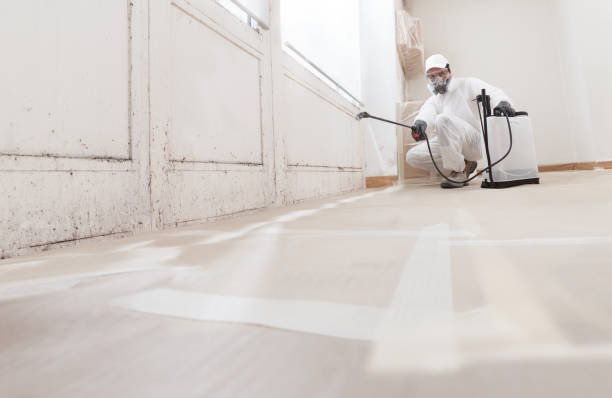
Mold remediation service: A professional worker spraying products to remove mold before house painting, clad in a protective suit and respirator mask, with a backpack sprayer at a home renovation site Mold remediation service: A professional worker spraying products to remove mold before house painting, clad in a protective suit and respirator mask, with a backpack sprayer at a home renovation site mold spores stock pictures, royalty-free photos & images

Recognizing the Clear Signs That Mold Is Hiding in Your Home

Mold growth in your home can go unnoticed for a long time, silently affecting both your property and health. Identifying mold early is key to preventing further damage and safeguarding your household. Below are some of the most common signs that mold could be hiding in your home.

Visible Mold Growth

  • Small spots or patches:Mold often appears as black, green, white, or even orange spots on walls, ceilings, floors, or furniture.
  • Expansion over time:If you notice discoloration spreading on surfaces, it’s likely an indication of mold growth.

Tip:Don’t dismiss small patches as dirt or soot—investigate further to confirm if it’s mold.

Musty Odors

One of the most obvious indicators of hidden mold is a persistent musty smell. This odor typically intensifies in areas with poor ventilation or high humidity levels.

  • Basements
  • Attics
  • Bathrooms
  • Crawlspaces

If cleaning or airing out these spaces doesn’t eliminate the odor, it’s worth checking for hidden mold.

Water Damage Indicators

Mold thrives in areas with excess moisture. If your house has experienced water damage recently, you might be at risk for mold infestation.

  • Stains on walls and ceilings (yellowish-brown or dark streaks)
  • Bubbling, peeling paint or wallpaper
  • Warped flooring due to prolonged exposure to moisture

Even if no visible mold is apparent initially following water damage, keep an eye on these areas over time.

Allergic Reactions and Health Problems

Mold spores can trigger allergic responses even before visible signs appear.

Common Symptoms Possible Causes Related to Mold
Sneezing Inhalation of airborne spores
Itchy eyes or skin Direct exposure
Nasal congestion Irritants present indoors
Worsened asthma symptoms Aggravated by poor indoor air quality

If any household members experience unexplained respiratory issues that improve when away from home, there’s a possibility that hidden mold exists.

Condensation Problems Around Windows and Pipes

Regular condensation buildup around windowsills and exposed pipes creates an ideal environment for mold growth. Check areas where condensation frequently occurs for small spots that could indicate initial stages of infestation.

How to Investigate Further if You Suspect Mold

  1. Inspect hidden spaces:Examine behind large furniture pieces, inside HVAC systems, under sinks, and in other less-visible locations.
  2. Use a flashlight:A strong light source can help identify subtle discolorations on darker surfaces.
  3. Hire professionals:If you’re unable to locate the source yourself but still suspect mold problems based on odors or health concerns, contacting experts with specialized tools will ensure accurate identification.

Early recognition and intervention are critical when addressing potential mold issues within your home environment.

Steps to Ensure Effective and Thorough Mold Removal in Any Situation

Addressing mold in your home requires a methodical approach to ensure complete removal and to prevent it from returning. Proper techniques not only protect your property but also safeguard the health of those residing within it. Below are the key steps to effectively deal with mold in any situation.

Step 1: Assess the Extent of the Problem

The first step is identifying how widespread the mold issue is.
Inspection:Testing:For hidden mold or uncertain cases, consider professional testing or using at-home mold kits to detect spores in various parts of your home.Determining Causes:Pinpoint what caused the mold growth, such as leaks, condensation, or humidity levels exceeding 60%. Addressing these factors is critical for long-term prevention.

Step 2: Contain the Affected Area

Preventing the spread of mold spores to other parts of your home is essential during removal.
– Seal off affected rooms with plastic sheeting and duct tape.
– Turn off HVAC systems during cleanup to avoid circulating airborne spores.
– Use air purifiers with HEPA filters in adjacent areas to trap any escaping particles.

Step 3: Remove Mold Safely

When attempting DIY cleanup, follow these safety practices: – Wear protective gear including gloves, goggles, and an N95 respirator mask. – Scrub nonporous surfaces like tiles or glass with a mixture of water and detergent. – For porous materials like drywall or carpeting that are heavily infested, dispose of them entirely as they cannot be effectively cleaned.

Surface Type Recommended Solution Notes
Nonporous Water + Mild Detergent Use a soft brush for scrubbing
Porous (wood) Diluted Vinegar Test on a small area first
Heavy Contamination Commercial Mold Cleaner/Disinfectant Follow product instructions

Step 4: Dry and Ventilate Thoroughly

Mold thrives in damp environments. After removal: – Use dehumidifiers and fans to dry out affected areas completely. – Inspect plumbing and roofing for leaks that could contribute to recurring moisture. – Improve ventilation by opening windows or installing exhaust fans in high-humidity rooms like kitchens and bathrooms.

Step 5: Prevent Future Mold Growth

To keep your home free from future outbreaks: 1. Maintain indoor humidity levels between 30%–50%. 2. Fix leaks promptly—whether from pipes, roofs, or appliances. 3. Regularly clean areas prone to dampness such as basements and under sinks. 4. Invest in moisture-resistant materials if renovating frequently affected spaces.

By following these steps consistently, homeowners can ensure effective removal while minimizing health risks associated with living alongside harmful mold colonies.


Effective Mold Remediation Lakeland, FL: When and How to Test for Mold in New Homes

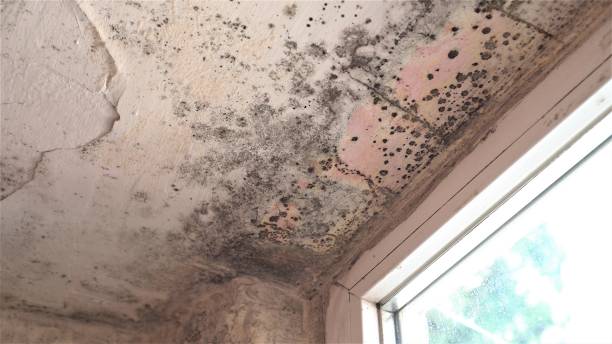
Black mold growth on walls and ceiling near window with blinds Black mold growth on walls and ceiling near window with blinds. mold spores stock pictures, royalty-free photos & images

Mold testing is an essential process for ensuring the health and safety of your newly constructed home. Despite being brand-new, homes are not immune to mold issues, as moisture can become trapped during construction or materials may be exposed to damp conditions. Below is a guide on how and when to conduct mold testing in a newly built property.

Why Test for Mold in a New Home?

New homes are often assumed to be free of mold due to their recent construction; however, several factors can contribute to mold growth even before the home is occupied. These include: – High humidity levels during construction: If materials such as wood or drywall are not properly dried before installation, they can harbor moisture that fosters mold growth. – Improperly sealed windows or roofs: Water leaks can occur if sealing is inadequate, providing an opportunity for mold spores to settle and grow. – HVAC system contamination: If the HVAC system was installed when construction dust and debris were present, it could distribute mold spores throughout the house.

Testing for mold ensures that these potential issues are identified early, allowing you to address them quickly before they escalate into larger problems.

Best Times to Conduct Mold Testing

Timing is critical when it comes to mold testing in a new home. The following stages are ideal: 1. Post-construction but pre-occupancy: Conducting a test after construction but before moving in ensures that no hidden problems exist. 2. Following significant weather events: Heavy rain or extreme humidity during or after construction increases the risk of trapped moisture leading to mold development. Testing after these events is recommended. 3. After noticing signs of potential moisture issues: Look out for musty odors, condensation on windows, or water stains on walls and ceilings.

Steps for Conducting Mold Testing

  1. Check areas prone to moisture buildup, such as basements, attics, crawl spaces, kitchens, and bathrooms.
  2. Look for discoloration on walls, ceilings, floors, and around ventilation systems.
  3. Purchase a reliable test kit from a hardware store or online source.
  4. Follow instructions carefully; typically, this involves collecting air samples or swabbing surfaces for analysis.
  5. Professional testers use advanced methods like air sampling pumps and infrared cameras to detect hidden moisture pockets or microbial growth.
  6. They provide comprehensive reports on the extent of any contamination detected.
Method Cost Range Accuracy Level Best For
Visual Inspection Free Moderate Identifying visible signs of damage
DIY Test Kits $10–$50 Moderate Small-scale surface-level testing
Professional Inspection $300–$1,000+ High Comprehensive detection in large areas

Tips for Accurate Results

To ensure your efforts yield precise findings: – Test during humid conditions (above 50% relative humidity), as this encourages spore activity. – Avoid disturbing settled dust prior to testing so airborne spore counts are not artificially inflated. – Retest if initial results are inconclusive or if remediation has been performed recently.

Next Steps After Testing

If tests confirm the presence of mold: – Address sources of water intrusion immediately (e.g., fix leaks). – Consider professional remediation services if the affected area exceeds 10 square feet. – Monitor indoor humidity levels using dehumidifiers where necessary.

By conducting timely and thorough mold testing following proper steps and at appropriate intervals, homeowners can safeguard their investment while protecting indoor air quality long-term.

Discover Why Lakeland, FL Mold Removal Is Essential Even for Newly Built Homes

While it may seem counterintuitive, newly constructed homes are not immune to mold growth. In fact, certain characteristics of new construction can create an ideal environment for mold to thrive. Mold is more than just an aesthetic concern—it poses risks to both structural integrity and indoor air quality. Understanding why mold can affect even new homes is essential for homeowners and builders alike.

Essential Guide to Mold Testing Lakeland, FL: Causes of Mold in New Homes

  1. Building materials such as wood, drywall, and insulation can absorb moisture during storage or transport.
  2. Rain or humidity during the construction process often leads to damp structures that are sealed before fully drying out.
  3. Enclosed spaces (e.g., walls and attics) trap moisture, creating an ideal breeding ground for mold.
  4. New homes are often designed to be energy-efficient with tightly sealed windows and doors. While this minimizes energy loss, it also reduces airflow that might otherwise prevent moisture buildup.
  5. Poor ventilation in areas prone to humidity, such as bathrooms and basements, exacerbates the issue.
  6. Many construction materials like wood studs, paper-faced drywall, and natural insulation contain organic components that serve as food sources for mold when combined with moisture.
  7. Construction schedules do not always allow sufficient time for materials to dry properly before being enclosed or finished.

Understanding Health Risks with Lakeland Mold Removal Services

  • Respiratory issues (e.g., coughing, wheezing)
  • Allergic reactions such as sneezing or skin irritation
  • Aggravation of asthma symptoms
  • Long-term exposure risks such as fatigue or sinus infections

Those most vulnerable include children, elderly individuals, and people with compromised immune systems.

Structural Issues Caused by Mold

Problem Potential Impact
Decay of wooden framing Weakens support structures
Compromised drywall Leads to sagging or crumbling walls
Damage to insulation Reduces energy efficiency

If left unaddressed, these damages can lead to costly repairs down the line.

Why Awareness Matters

Both homeowners and contractors should recognize that new builds are not inherently resistant to mold issues. Proactive steps—including proper drying of materials during construction and ensuring adequate ventilation—go a long way in preventing problems from arising. Identifying vulnerabilities early on helps save money and ensures a safer living environment for future inhabitants.

By understanding these risks specific to new homes, it’s possible to take informed actions that mitigate potential hazards before they escalate into significant issues.

The Risks of Trapped Moisture in Building Materials During Construction

Trapped moisture in building materials during the construction process can create a fertile environment for mold growth in newly constructed homes. Understanding the risks associated with this issue is vital for both builders and homeowners to ensure a healthy indoor environment and preserve the structural integrity of the home.

Why Trapped Moisture is a Concern

  • Mold Growth: Mold thrives in damp environments and can develop within 24-48 hours when moisture is present.
  • Structural Damage: Over time, consistent exposure to moisture can cause wood rot and deteriorate other building materials like drywall or insulation.
  • Indoor Air Quality Issues: Mold spores released into the air may lead to respiratory issues, allergies, or asthma in occupants.
  • Costly Repairs: Identifying and addressing mold after construction can be far more expensive than preventive measures.

Common Sources of Trapped Moisture

  1. Rain During Construction: Open framing exposed to rain without proper weatherproofing increases the risk of water seeping into porous materials.
  2. Concrete Curing: Concrete inherently contains moisture that needs sufficient time to cure before being covered by flooring or paint. Premature covering can trap excess water inside.
  3. Improper Material Storage: Building materials like lumber and drywall stored outside without proper protection may absorb moisture from rain or humidity.
  4. Inadequate Ventilation Systems: Poor ventilation during construction prevents proper drying of damp areas.

Warning Signs of Trapped Moisture Post-Construction

  • Peeling paint or wallpaper.
  • Warped floors or cabinetry.
  • Persistent musty odors.
  • Visible mold patches on walls, ceilings, or HVAC systems.

A professional inspection using tools like moisture meters and thermal imaging cameras can help confirm whether trapped water exists within your new home’s structure.

Preventive Measures During Construction

  1. Protect Materials: Ensure all building materials are stored in clean, dry locations away from rain and condensation sources.
  2. Weatherproofing Techniques: Use tarps, temporary roofing solutions, and water-resistant barriers to shield unfinished structures from rain exposure.
  3. Allow Proper Drying Time: Avoid rushing through phases like plastering and painting until underlying surfaces have dried completely.
  4. Ventilation Management: Install temporary ventilation systems during construction to promote air circulation and speed up drying processes.
Issue Prevention Measure Benefit
Rain on Framing Use tarps over exposed structures Reduces water absorption
Improper Drywall Storage Store indoors with pallets underneath Prevents material warping
Insufficient Ventilation Use fans/dehumidifiers on-site Speeds up evaporation

Addressing these risks proactively ensures that your newly built home remains free from hidden mold problems caused by entrapped moisture—ensuring safety, durability, and peace of mind for years ahead.

Finding the Best Mold Removal Company Lakeland, FL: A Guide to Testing for Mold in Your New Home

Mold testing in a newly constructed home is essential to ensure a healthy living environment. Even new homes are not immune to mold growth, often due to construction practices, trapped moisture, or unintentional contamination. Here’s a step-by-step guide on how to test for mold in your new home effectively.

When Should You Test for Mold?

Testing for mold in a newly built home is crucial if:
– You notice unusual odors, especially musty smells, even after thorough cleaning.
– There are visible signs of discoloration on walls, ceilings, or around windows.
– Family members experience persistent allergy-like symptoms (e.g., sneezing, coughing, itchy eyes) without an obvious cause.
– The construction process experienced delays or exposure to wet weather conditions.

Tools and Materials Needed for Mold Testing

Tool/Material Purpose
Mold Testing Kit To collect samples from surfaces or air
Protective Gear (gloves & mask) For safety during sample collection
Flashlight To inspect dark or hard-to-see areas
Screwdriver/Drill For accessing wall cavities

If performing DIY testing seems daunting or if you suspect extensive contamination, consider hiring professional mold remediation experts.

Surface Sampling

Surface sampling involves collecting samples from areas where mold is visible or suspected. Steps include:
1. Wipe the affected surface using the swab provided in your testing kit. 2. Store the sample securely and follow the instructions provided with the kit for accurate lab analysis.

Air Quality Testing

Airborne spores can travel undetected through HVAC systems and other pathways. Air quality tests use spore traps to measure the concentration of mold spores within specific rooms:
1. Place an air sampling device near ventilation systems or central living spaces. 2. Run the device according to manufacturer recommendations before sending collected samples for laboratory analysis.

Bulk Sampling (For Construction Debris)

This approach involves gathering pieces of suspected contaminated materials like drywall:
1. Carefully cut out small sections of material showing signs of water damage or discoloration. 2.Homeowners should test

Mold growth. Damp walls, ceiling, window frames and glass in home. Molds thrive on moisture and reproduce by means of tiny, lightweight spores that travel through the air Mold growth. Damp walls, ceiling, window frames and glass in home. Molds thrive on moisture and reproduce by means of tiny, lightweight spores that travel through the air mold spores stock pictures, royalty-free photos & images

Why Professional Mold Testing is Crucial for New Homeowners

Newly constructed homes are often perceived as pristine and free from any structural or environmental issues. However, hidden problems like mold growth can still arise, even in brand-new builds. Professional mold testing is a critical step for new homeowners to ensure their living space is safe, healthy, and free from potential mold contamination. Here’s why professional mold testing should not be overlooked.

Detecting Hidden Mold Growth

Mold can thrive in areas that are not visible to the naked eye. Some common hidden locations for mold include:
Wall cavities
Under flooring materials (e.g., hardwood, laminate, or tiles)
HVAC systems and ductwork
Inside insulation layers
Professional mold inspectors use advanced tools like moisture meters, infrared cameras, and air sampling devices to detect and locate hidden mold growth accurately. Without these tools or expertise, it’s nearly impossible for homeowners to identify potential contamination sources themselves.

Preventing Health Issues

Mold exposure can trigger several health problems such as:
– Respiratory issues (e.g., asthma and sinus infections)
– Allergic reactions (e.g., sneezing, itchy eyes, or skin irritation)
– Headaches and fatigue due to poor indoor air quality

Professional testing ensures that your home environment is evaluated for both visible and microscopic mold spores. If elevated levels of airborne spores are detected during testing, remediation steps can be taken before health issues arise or worsen.

Addressing Construction Defects Early

Construction practices may unintentionally create environments conducive to moisture retention—an ideal condition for mold growth. These issues often occur due to:
– Poorly sealed windows or doors allowing water intrusion
– Improper ventilation in areas like bathrooms and kitchens
– Trapped moisture in building materials such as drywall or wood due to inadequate drying during construction

A professional inspection can help identify whether such construction-related defects are present and provide recommendations on corrective actions.

Reliable Test Results

DIY mold test kits might seem convenient but often produce unreliable results due to improper handling or limited scope of analysis. On the other hand, professional testers follow industry-standard procedures set by organizations like the American Industrial Hygiene Association (AIHA) or Indoor Air Quality Association (IAQA). These experts collect samples under controlled conditions and send them to certified laboratories for comprehensive analysis.

DIY Test Kits Professional Mold Testing
Unreliable due to environmental interference Accurate results verified by certified labs
Limited detection capabilities Advanced tools detect hidden molds effectively
No expert guidance Professional recommendations on remediation

Protecting Your Investment

A newly constructed home represents a significant financial investment. Undetected mold issues can lead to expensive repairs down the line if left unchecked. For example:
1. Structural damage caused by prolonged water exposure leading to weakened walls or ceilings 2. The need for extensive remediation if a small issue escalates over time

By hiring a professional inspector upfront, you mitigate risks early while protecting the long-term value of your property.

Investing in professional mold testing is not merely an added expense but an essential measure toward ensuring safety, comfort, and peace of mind in your newly constructed home.

Why Professional Mold Testing is Crucial for New Homeowners

Mold issues are often associated with older homes, but newly constructed houses are not immune to mold growth. Understanding why professional mold testing is essential can help new homeowners safeguard their investment and ensure a healthy living environment.

The Importance of Professional Expertise

  • Detecting hidden mold in inaccessible areas.
  • Measure indoor air quality and identify airborne spores.
  • Determine the type of mold present (e.g., allergenic, toxigenic).
  • Assess the level of contamination to recommend appropriate remediation.

By hiring experts, homeowners gain an accurate understanding of whether their home is safe and free from underlying issues that could worsen over time.

Benefits for New Homeowners

  1. Detecting Initial Issues Early
    Identifying mold early prevents it from spreading further and causing costly damage to building materials like drywall, insulation, or wood framing.
  2. Health Protection
    Mold exposure can trigger respiratory problems, allergies, or other health concerns. Air testing helps ensure that your home’s indoor air quality meets safe living standards.
  3. Peace of Mind
    Professional testing provides clear data on whether your home is truly free from hidden dangers. This certainty allows you to confidently settle into your new space without worrying about unexpected surprises.
  4. Addressing Warranty Concerns
    Many builders offer warranties for newly constructed homes covering structural elements or workmanship flaws. If professional testing uncovers moisture-related issues leading to mold development, these findings may support claims against the builder’s warranty.

When Should Testing Be Conducted?

  • Before Moving In: Conducting tests before moving furniture or personal belongings ensures that any necessary remediation won’t interfere with your daily life.
  • After Heavy Rain: If there have been substantial rains shortly before construction completion or during early occupancy, it’s wise to test for leaks or water intrusion.
  • During HVAC Activation: Mold spores often spread through ventilation systems; thorough testing when the HVAC system is first used can help detect potential contamination sources.

Key Factors That Require Professional Assessment

Factor Why It Matters
High Indoor Humidity Levels Sustained humidity above 60% encourages rapid growth
Trapped Construction Moisture Wet materials (e.g., wood framing) foster molds
Poor Ventilation Limited airflow increases moisture retention
Plumbing Leaks Hidden leaks behind walls lead to undetected damage

Choosing a Qualified Mold Testing Specialist

Look for certified professionals with credentials such as those from the American Council for Accredited Certification (ACAC) or similar organizations. Verify their experience with new constructions specifically and request detailed reports outlining findings and recommendations after inspection.

Professional mold testing is not merely an added step but a vital measure in protecting both health and property value for new homeowners.

Common Construction Practices That Lead to Mold Growth and How to Avoid Them

Mold growth is not just a concern in older homes; it can also be a significant issue in newly constructed properties. Improper construction practices or overlooked details during the building process often create conditions conducive to mold growth. Understanding these practices and how to prevent them is crucial for ensuring a healthy home environment.

Poor Moisture Control During Construction

One of the most common culprits of mold growth in new homes is poor moisture management during construction. Builders often fail to adequately protect materials from rain, humidity, or groundwater exposure. Wet wood, drywall, and insulation can become breeding grounds for mold if they are installed while damp.

Ways to Prevent Moisture Issues: – Cover exposed materials with tarps or plastic sheets at the job site if rain is expected. – Store construction materials off the ground and in dry, elevated areas. – Ensure that any damp materials are thoroughly dried before installation.

Insufficient Ventilation

Improper ventilation systems in new homes can trap moisture indoors, creating an ideal environment for mold spores to thrive. Bathrooms, kitchens, and laundry rooms are especially vulnerable due to their high levels of humidity.

How to Improve Ventilation: – Install exhaust fans in high-moisture areas such as bathrooms and kitchens. – Use energy recovery ventilators (ERVs) or heat recovery ventilators (HRVs) to improve air circulation. – Ensure that vents expel air outdoors rather than into attics or crawl spaces.

Lack of Proper Drainage Systems

Improper grading around the foundation can lead to water pooling near the base of the home. This excess water can seep into basements or crawl spaces, increasing the risk of mold development.

Solutions for Effective Drainage: – Grade soil so that it slopes away from the foundation by at least 6 inches over 10 feet. – Install French drains or other drainage systems around the property perimeter. – Ensure gutters and downspouts direct water away from the home’s foundation.

Common Issue Impact Prevention Strategy
Poor material storage Wet materials promote mold Cover materials; store them off damp surfaces
Inadequate roof drainage Standing water on roofs Install properly sloped roofing; add gutters
Improper HVAC configuration Trapped indoor moisture Use dehumidifiers; maintain HVAC regularly

Use of Porous Building Materials

Certain building materials like untreated wood, standard drywall, and carpet backing are highly absorbent. If they come into contact with moisture during construction or after completion, these porous surfaces can harbor mold spores.

Tips on Material Selection: – Opt for treated lumber designed to resist moisture absorption. – Use mold-resistant drywall specifically designed for high-humidity areas. – Consider alternatives like ceramic tiles or concrete flooring instead of carpeting in basements or other damp-prone spaces.

Failure to Address Post-Building Leaks

Newly built homes may develop leaks due to improperly sealed windows, doors, roofs, or plumbing connections. Even small leaks left unchecked can lead to significant mold problems over time.

Steps for Leak Prevention: – Inspect seals around windows and doors during final walkthroughs. – Have roof flashing checked by a professional after installation. – Pressure-test plumbing systems before moving into your new home.

By addressing these common construction practices early on through proactive measures, builders and homeowners alike can significantly reduce the risk of mold growth in newly constructed properties. Proper planning and attention to detail go a long way toward creating safe and healthy living spaces.


Importance of Mold Remediation Lakeland, FL, Before Purchasing Your Dream Home

Mould in a bathroom Mould in a bathroom at the tiles and silicone mold spores stock pictures, royalty-free photos & images

Buying a home is one of the most significant financial commitments most people will make in their lifetime. While it’s exciting to take this step, the importance of performing due diligence cannot be overstated. A mold inspection is one crucial step that should never be overlooked when purchasing a property.

Understanding the Risks of Undetected Mold

Mold can be present in areas of a home that are not easily visible, such as behind walls, under carpets, or in crawl spaces.

  • Health problems: Mold exposure can cause respiratory issues, allergies, skin irritation, and more severe complications for individuals with asthma or compromised immune systems.
  • Structural damage: Over time, mold can weaken wooden structures and other materials in your home.
  • Costly remediation: Handling extensive mold problems after you’ve purchased the property can significantly increase your expenses.

Benefits of an Inspection Before Buying

  1. Save on Future Costs
    The cost of professional mold remediation can range from hundreds to thousands of dollars depending on the extent of contamination. By identifying potential issues beforehand, you avoid unforeseen expenses later on.
  2. Negotiate Repairs with Sellers
    If an inspection reveals mold problems, you may be able to negotiate with the seller for repairs or adjustments to the sale price.
  3. Peace of Mind
    Knowing that your future home is free from harmful mold allows you to move forward confidently without worrying about hidden dangers.

What Does a Mold Inspection Involve?

Step Description
Visual Assessment Inspecting areas prone to moisture such as basements, kitchens, and bathrooms
Air Sampling Testing air quality for elevated levels of mold spores
Surface Testing Swabbing surfaces where visible signs of mold might be present
Moisture Mapping Using tools like moisture meters to detect water intrusion behind walls

How Often Is Mold Missed Without an Inspection?

Relying solely on general home inspections may not always uncover hidden mold problems since these assessments are not typically designed for specialized detection. Many inspectors lack the expertise or tools required for thorough evaluation regarding air quality and concealed growth.

Safeguard Your Investment

A meticulous approach toward evaluating a property includes ensuring its safety and structural integrity through investigations like a dedicated mold inspection process prevents unnecessary surprises post-purchase

Effective Lakeland, FL Mold Removal: Identifying Hidden Dangers in Your Home

Mold can pose significant risks to your health, your home’s structural integrity, and even its value. Unfortunately, one of the most concerning aspects of mold is how often it remains hidden, thriving in places you may not regularly inspect. Identifying these hidden dangers early can save you from costly repairs and potential health problems.

Discover Expert Mold Testing Lakeland, FL: Common Areas Where Mold Hides

Mold tends to grow in areas that are warm, damp, and poorly ventilated. While some infestations are visible and easy to spot, others can thrive unnoticed for years.

  • Behind Walls: Leaks or condensation inside wall cavities create the perfect environment for mold growth.
  • Under Carpets: Moisture trapped beneath carpets or rugs from spills or flooding can lead to hidden fungal issues.
  • In Attics: Poor ventilation combined with roof leaks often results in attic mold.
  • Basements: High humidity levels make basements especially vulnerable to hidden mold growth.
  • Bathroom Ceilings and Vents: Excess moisture from showers or poorly ventilated spaces frequently causes undetected buildup.
  • HVAC Systems: Air conditioning units and ductwork can harbor mold spores due to condensation.

Effective Lakeland Mold Removal Services to Tackle Hidden Health Risks

While visible mold is concerning on its own, hidden mold poses an even greater risk because of its silent impact on indoor air quality.

  • Respiratory problems like coughing, wheezing, or asthma attacks
  • Allergic reactions including itchy eyes, sneezing, and skin irritation
  • Chronic fatigue or headaches
  • Complications for individuals with pre-existing medical conditions such as compromised immune systems

Identifying these risks early allows homeowners to mitigate damage before it escalates.

How to Detect Hidden Mold

Look for indirect signs such as: – Water stains on ceilings or walls
– Peeling paint or wallpaper
– Warped wood or flooring

A persistent earthy smell is often a sign that there’s active mold growth nearby.

Keep track of areas prone to leaks or high humidity levels (e. g. , leaking pipes under sinks).

For comprehensive detection, consider hiring a professional inspector who uses tools like moisture meters and infrared cameras.

Detection Methods Effectiveness Recommended For
Visual Inspection Moderate Small visible signs
DIY Test Kits Limited Preliminary confirmation
Professional Inspection High Comprehensive detection & analysis

Preventing Hidden Mold Growth

To reduce the likelihood of hidden mold in your home: – Maintain proper ventilation in high-moisture areas like kitchens and bathrooms. – Use dehumidifiers in spaces prone to high humidity (e. g. , basements). – Regularly inspect plumbing fixtures for leaks. – Address water damage immediately after it occurs.

By remaining vigilant about these preventative measures and identifying potential dangers early on, you safeguard your home against costly damage while protecting your family’s health.

Expert Tips from a Trusted Mold Removal Company in Lakeland, FL to Detect Hidden Dangers in Your Home

Mold can be an invisible threat lurking in your home, often hiding in areas that are difficult to access or inspect. Understanding the hidden dangers associated with mold growth and how to identify them is crucial for maintaining a safe living environment and protecting your property value. Below, we’ll explore these hidden risks and provide guidance on how to spot potential mold problems.

Why Mold Often Goes Undetected

Mold thrives in damp, dark, or poorly ventilated spaces, many of which are not part of a homeowner’s daily line of sight.

  • Hidden Locations:Mold can grow behind walls, under flooring, or inside HVAC systems where visibility is limited.
  • Slow Growth:Some types of mold develop slowly over time, making it difficult to notice until the issue becomes severe.
  • Minimal Initial Signs:Early stages of mold infestation may not emit a noticeable smell or cause visible damage.

Without regular inspections or attention to specific symptoms, these hidden dangers can escalate quickly.

Health Risks Linked to Hidden Mold

Even when mold is not visible, it can still pose serious health risks.

  1. Respiratory Problems– Coughing, wheezing, and shortness of breath caused by airborne spores.
  2. Allergic Reactions– Sneezing, itching eyes, and skin irritation triggered by contact with certain molds.
  3. Chronic Conditions– Aggravation of asthma or development of hypersensitivity pneumonitis.

It’s especially important for vulnerable populations such as children, elderly individuals, and those with weakened immune systems to avoid exposure.

Common Areas Where Mold Hides

Location Key Risk Factors Inspection Tips
Basements High humidity levels and potential leaks Look for water stains on walls/floors
Bathrooms Poor ventilation from showers/baths Check around tiles and under sinks
Attics Roof leaks or condensation Inspect insulation for discoloration
Kitchens Leaking pipes/appliances Examine under the sink and behind fridges
HVAC Systems Condensation build-up Have ducts professionally inspected

Steps to Identify Hidden Mold

  1. Pay Attention to Odors:Musty odors are often an indicator of mold growth even if you cannot see it.
  2. Watch for Discoloration:Stains or spots on walls and ceilings may signal hidden water damage that fosters mold growth.
  3. Monitor Health Symptoms:Unexplained allergies or respiratory issues should prompt further investigation.
  4. Use Moisture Detection Tools:Moisture meters can help locate damp areas behind surfaces where mold thrives.
  5. Hire Professionals:Certified mold inspectors use advanced equipment like thermal imaging cameras to detect concealed infestations.

Preventing Hidden Mold Risks

  • Maintaining proper ventilation throughout your home
  • Using dehumidifiers in high-moisture areas
  • Repairing leaks promptly
  • Scheduling routine inspections if you live in a humid climate

Regular vigilance combined with professional assistance can safeguard your home from the costly damages associated with unchecked mold infestations while minimizing its impact on health.

Bathroom ceiling covered with black mold. House inspection. Bathroom ceiling covered with black mold. House inspection. mold spores stock pictures, royalty-free photos & images

The Benefits of Hiring a Professional Mold Inspector for Accurate Detection

When dealing with potential mold issues, hiring a professional mold inspector can save you time, money, and stress. While some homeowners may attempt to identify or remove mold on their own, professional inspectors bring expertise, specialized tools, and comprehensive knowledge that ensures accurate detection and assessment. Below, we explore the advantages of relying on professionals for mold inspections.

Expertise and Experience

Professional mold inspectors are trained to identify various types of mold and assess the extent of infestation.

  • Recognize hidden mold: Mold often grows in places not easily visible, such as inside walls, under flooring, or behind appliances.
  • Differentiate between harmful and harmless molds: Not all molds are dangerous, but professionals can determine which ones pose health risks.
  • Evaluate contributing factors: Inspectors assess underlying issues like water leaks or poor ventilation that may encourage mold growth.

Use of Advanced Tools

Professionals utilize advanced tools and technology unavailable to most homeowners.

Tool Purpose
Moisture Meters Detect moisture levels in walls, ceilings, and floors.
Infrared Cameras Identify temperature differences that may indicate hidden moisture.
Air Sampling Kits Assess air quality by measuring the concentration of mold spores.
Surface Testing Kits Identify specific types of mold growing on surfaces.

These tools enable inspectors to locate even hard-to-detect infestations.

Health Protection

Mold spores can exacerbate respiratory issues or cause allergic reactions during inspection or removal.

  • You minimize your exposure to potentially harmful spores.
  • Professionals follow safety measures such as wearing protective gear.
  • They recommend safe remediation strategies tailored to your home’s condition.

Comprehensive Inspection Reports

A key benefit of hiring a professional is receiving a detailed inspection report outlining their findings.

  1. Visual assessment results: Notes about visible signs of mold growth.
  2. Testing results: Lab analysis identifying the type(s) of mold present.
  3. Moisture source identification: Potential causes of excess moisture in the home.
  4. Recommendations for remediation: Tailored advice on the steps needed to address the problem.

Such documentation is especially useful if you’re buying or selling a property since it provides clear evidence about the home’s condition.

Prevention of Future Issues

Professional inspections don’t just focus on existing problems—they help prevent future ones by identifying vulnerabilities in your home’s structure or maintenance practices.

  • Addressing leaks early prevents recurring infestations.
  • Improving airflow reduces humidity levels that encourage mold growth.
  • Regular inspections act as proactive measures in high-risk areas like basements or attics.

Cost Efficiency

Although hiring an inspector involves upfront costs, it can save you substantial money over time by preventing widespread damage caused by unchecked mold growth. DIY efforts run the risk of incomplete removal or overlooked infestations that could escalate into expensive problems later on.

In summary, hiring a professional for accurate mold detection ensures thorough identification while protecting your health and investment in your property through proper analysis and prevention strategies.

Signs That Indicate You Need a Mold Inspection to Prevent Bigger Issues

Mold can often go unnoticed until it has caused significant damage to your property or health. Below are some key indicators that suggest you need a professional mold inspection.

Even if you can’t see any visible mold, an unusual odor in certain areas of your home could indicate hidden growth behind walls, under flooring, or in crawl spaces.

Visible mold—whether it’s black, green, white, or yellow—should never be ignored. Small patches might seem like something you can handle yourself, but they could be part of a larger infestation that requires professional attention.

If your home has recently experienced water damage due to leaks, flooding, or burst pipes, there’s a high likelihood that mold could develop within 24-48 hours if the area was not properly dried and treated.

Key areas to inspect for water damage include:
– Under sinks
– Around windows and doors
– Attics and basements
– Bathrooms and laundry rooms

Mold exposure can cause a variety of health symptoms, particularly for individuals with asthma, allergies, or weakened immune systems.
– Frequent coughing or sneezing
– Nasal congestion
– Throat irritation
– Skin rashes

…a professional inspection may help determine whether mold is contributing to these issues.

Stains on walls and ceilings—especially those that appear yellowish-brown—may be caused by water intrusion and subsequent mold growth behind the surface. These areas should be inspected promptly as they may indicate structural damage as well.

Suspected Area Possible Cause Action
Bathroom ceiling Poor ventilation/moisture buildup Install exhaust fan
Basement corners Groundwater seepage Waterproof foundation
Kitchen sink cabinet Plumbing leaks Repair pipes immediately

If your home has had prior mold issues that were not addressed thoroughly, there’s always the possibility of regrowth. Mold spores are resilient and can remain dormant until conditions become favorable again (e. g. , increased humidity).

Why Early Detection Matters

By addressing these warning signs early through a professional inspection:
1. You avoid costly repairs by catching problems in their infancy. 2. You protect the health of everyone living in your home. 3. You maintain the value of your property by preventing long-term damage.

Taking proactive measures when these indicators arise is one of the best ways to safeguard both your investment and well-being from potentially serious consequences related to unchecked mold growth.

Legal and Financial Implications of Skipping a Mold Inspection

When purchasing a home, skipping a mold inspection can have significant legal and financial consequences. While it might seem like an unnecessary expense upfront, the long-term implications of ignoring potential mold issues can far outweigh the cost. Below, we dive into the key legal and financial risks of bypassing this crucial step during the home-buying process.

Financial Risks of Skipping a Mold Inspection

Ignoring a mold inspection can lead to unanticipated expenses that may severely impact your budget.

  • Costly Remediation: If mold is discovered after purchase, professional remediation services could cost anywhere from $500 to $6,000 depending on the extent of the damage. Severe cases involving extensive structural repairs may exceed $10,000.
  • Decreased Property Value: The presence of mold can significantly lower your home’s market value. Future buyers may demand steep discounts or choose not to buy altogether.
  • Health-related Costs: Mold exposure can cause respiratory issues and other health problems, potentially leading to increased medical expenses for you or your family.
  • Homeowner’s Insurance Limitations: Many insurance policies exclude mold damage unless caused by a sudden event like flooding. This means you would likely need to cover remediation costs out of pocket.

Legal Consequences of Overlooking Mold Inspections

Beyond financial implications, skipping a mold inspection could expose you to legal liabilities in some circumstances.

  1. Disclosure Obligations
    In many jurisdictions, sellers are legally required to disclose known material defects in the property, including mold issues. If you’re selling your home in the future without addressing hidden mold problems discovered later, you could face lawsuits for nondisclosure.
  2. Breach of Contract Claims
    If undisclosed mold violates terms outlined in the purchase agreement (e. g. , property being sold “as-is”), parties involved might file breach-of-contract claims against one another.
  3. Tenant Safety Lawsuits (for Rental Properties)
    If you plan to rent out the property and tenants experience health problems due to unaddressed mold growth, they may sue you for damages under local habitability laws.

The Cost-Benefit Analysis: Is It Worth It?

Scenario Immediate Cost Long-term Impact
Skip Mold Inspection $0 High expenses for unexpected remediation and repairs; possible legal action; decreased property value
Conduct Professional Inspection $300–$800 Early detection saves thousands in repair costs; protects health and investment

Protecting Your Investment with Due Diligence

Mold inspections provide peace of mind by identifying hidden dangers before they become costly problems. By addressing these risks early on, buyers gain leverage during negotiations with sellers and ensure they are making an informed decision about their purchase.

Ultimately, skipping this step not only jeopardizes your wallet but also compromises your safety and legal standing as a homeowner or landlord.