
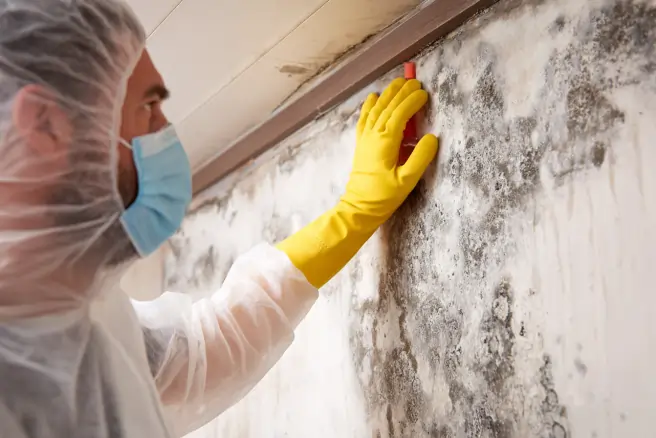
Controlling indoor humidity is one of the most critical steps in preventing mold growth. Mold thrives in damp and humid environments, so maintaining optimal indoor humidity levels can significantly reduce the risk of mold infestations. Here’s how you can effectively manage and control indoor humidity.
Understanding Optimal Humidity Levels
- Ideal range: Indoor humidity should ideally be between 30% and 50%. Levels above 60% create an environment conducive to mold growth.
- Use a hygrometer: Invest in a hygrometer to accurately measure humidity levels. These devices are affordable and widely available in home improvement stores or online.
Tips to Lower Indoor Humidity
- Use exhaust fans in areas prone to moisture, such as bathrooms, kitchens, and laundry rooms.
- Open windows during mild weather to allow fresh air circulation.
- Ensure attic and crawl spaces are well ventilated.
- Place dehumidifiers in high-humidity areas like basements or poorly ventilated rooms.
- Regularly empty and clean the water reservoir to ensure efficient operation.
- Check for leaky pipes under sinks or within walls that may introduce moisture.
- Conduct regular inspections of roofing systems for signs of water entry.
- Keep your air conditioner running during hot months as it naturally helps reduce humidity.
- Avoid overusing humidifiers intended for other purposes unless needed for health reasons.
Identifying High-Humidity Areas
| Area | Potential Source of Moisture | Recommended Solution |
| Bathroom | Hot showers, poor ventilation | Use exhaust fans; wipe down wet surfaces |
| Kitchen | Cooking steam | Vent range hoods outdoors |
| Basement | Soil moisture, condensation | Install a sump pump; seal foundation cracks |
Common Misconceptions About Humidity Control
- Myth: “Opening windows always reduces humidity.” While this is true under dry weather conditions, it can actually increase indoor moisture levels during humid seasons or after rainstorms.
- Myth: “Fans alone will prevent mold growth.” Fans assist with air circulation but must be paired with effective dehumidification strategies for lasting results.
Benefits of Maintaining Proper Humidity Levels
Maintaining appropriate indoor humidity offers several advantages beyond mold prevention:
– Improved air quality by reducing allergens such as dust mites. – Enhanced durability of building materials like wood that could warp under excessive dampness. – Better comfort indoors by eliminating stuffy conditions caused by high temperatures combined with high moisture content.
By taking these proactive steps, you can protect your property from costly damage while fostering a healthier living environment free from harmful mold growth. Ensuring consistent monitoring and swift action when signs of excess humidity arise will go a long way toward safeguarding your home.
How a Mold Removal Company in Lakeland, FL Can Help Stop Mold from Water Leaks
Water leaks, no matter how small, create ideal conditions for mold growth. Mold thrives in moist environments, and if a leak goes unnoticed or unaddressed, it can lead to significant mold-related issues. Proactively managing water leaks is essential to maintaining a safe and healthy home environment.
Why Addressing Leaks Quickly Matters
- Rapid Mold Growth: Mold can begin growing within 24 to 48 hours of water exposure, especially in damp, poorly ventilated areas. This makes any delay in repair costly.
- Structural Damage: Prolonged moisture caused by leaks can weaken building materials like drywall, wood, and insulation.
- Health Risks: Mold releases spores into the air that can trigger allergies or respiratory issues in sensitive individuals.
- Increased Costs: A small repair today could prevent expensive mold remediation or structural repairs later on.
Identifying Common Leak Sources
| Area | Common Causes of Leaks |
| Plumbing Systems | Dripping faucets, pipe bursts, and loose joints |
| Roofing | Missing shingles or damaged flashing |
| Windows and Doors | Ineffective seals allowing water seepage |
| Appliances | Malfunctioning dishwashers or washing machines |
| Basements | Poor drainage causing foundation cracks |
Regular inspections of these areas can help catch potential problems before they escalate.
Steps to Fix Water Leaks Immediately
- Turn Off the Water Supply: For plumbing-related leaks, shut off the main water supply to prevent further damage.
- Dry the Area Thoroughly: Use fans or dehumidifiers to dry out wet areas quickly and reduce moisture levels.
- Seal Minor Cracks with Caulk: For small gaps around windows or doors that allow water seepage, apply waterproof caulk as a quick fix.
- Replace leaking faucets or broken pipes immediately.
- Repair damaged roofing materials such as shingles or gutters.
- Use a moisture meter for walls or flooring if you suspect hidden dampness.
- If the damage is extensive (e.g., burst pipes in walls), consult licensed plumbers or contractors for repairs.
Preventing Future Water Leaks
- Routine Maintenance: Inspect plumbing systems, roofs, and other potential problem areas annually.
- Clean gutters regularly to prevent overflow during heavy rains.
- Ensure downspouts direct water away from your home’s foundation.
- Place smart leak sensors near appliances prone to failure (e.g., refrigerators).
- Maintain humidity between 30%–50% using dehumidifiers where necessary.
Addressing even minor leaks promptly safeguards your home against mold growth while protecting its structural integrity and maintaining indoor air quality over time.
Effective Solutions for Mold Remediation Lakeland, FL Homeowners Can Rely On
Coastal Mold Testing LLC
625 Christina Lake Dr, Lakeland, FL 33813
+18633162584
Mold growth in a home can lead to serious health risks and structural damage if left untreated. While small patches of mold can often be addressed by homeowners with proper cleaning methods and safety precautions, there are instances when professional mold remediation becomes essential. Below, we’ll discuss the signs that indicate it’s time to call in trained mold specialists and what to expect from the remediation process.
Signs You Need Professional Mold Remediation
- Extensive Growth: If mold affects an area larger than 10 square feet, as per EPA guidelines, professional remediation is recommended. Larger infestations often signal underlying moisture problems that require expert assessment.
- Recurrent Mold Issues: Persistent mold growth despite repeated cleaning attempts may indicate hidden water damage or conditions promoting regrowth.
- Health Symptoms: If household members experience respiratory issues, allergies, or other health concerns linked to mold exposure (e.g., persistent coughing, sneezing, sinus congestion), it’s time for professionals to evaluate the home.
- Unidentified Sources of Moisture: Mold thrives on moisture. When you cannot determine the source of dampness or leaks causing the issue, professionals can identify and address these problems effectively.
- Structural Damage: Visible deterioration of walls, ceilings, floors, or insulation due to long-term water and mold activity is a red flag requiring expert handling.
Benefits of Hiring Professionals for Mold Removal
- Comprehensive Inspection
Professionals conduct thorough assessments using advanced tools such as moisture meters and infrared cameras to locate hidden mold colonies behind walls or under flooring. - Safe Removal Practices
They use industry-standard procedures like HEPA filtration systems and containment measures to ensure spores do not spread during remediation. - Addressing Root Causes
Experts pinpoint underlying causes—such as plumbing leaks or poor ventilation—and provide recommendations for correcting them. - Long-Term Prevention Plans
Many professionals offer guidance on maintaining optimal indoor conditions to prevent future outbreaks.
Differences Between DIY vs. Professional Approach
| Aspect | DIY Approach | Professional Remediation |
| Effectiveness | Limited to small infestations | Effective for large & hidden growth |
| Detection Tools | None/mild visual inspection | Advanced tools (e.g., thermal imaging) |
| Safety Measures | Basic protective gear | Full containment & specialized equipment |
| Long-Term Results | May recur if not thorough | Comprehensive & preventive strategies |
Finding a Qualified Mold Remediation Specialist
- Look for certifications such as those from the Institute of Inspection Cleaning and Restoration Certification (IICRC) or National Organization of Remediators and Mold Inspectors (NORMI).
- Read reviews and check references from previous clients.
- Ensure they follow established guidelines like those outlined by the EPA or local regulatory bodies.
- Request a detailed quote outlining costs for inspection, removal, repairs, and prevention measures.
Timely intervention by certified professionals ensures your home remains safe from further damage while minimizing health risks associated with prolonged exposure to mold spores.
Effective Mold Testing Lakeland, FL: Products and Coatings for Long-Lasting Mold Removal
Mold growth inside the home can be a persistent issue if not handled correctly. While removing existing mold is essential, preventing its return is just as important. Anti-mold products and coatings offer a proactive, long-lasting solution for managing mold. Below, we explore how these products work, the different types available, and tips for their effective application.
What Are Anti-Mold Products and Coatings?
Anti-mold products and coatings are specially formulated solutions designed to prevent mold spores from taking hold on surfaces. They often contain fungicides or biocides that inhibit mold growth over time, making them ideal for areas prone to moisture or dampness.
- Mold-resistant paints: These paints contain antimicrobial agents that prevent mold from forming on walls and ceilings.
- Anti-mold sprays: Ready-to-use sprays work well on various surfaces like bathroom tiles, grout lines, and kitchen countertops.
- Sealants with mold inhibitors: Waterproof sealants infused with anti-fungal properties are perfect for sealing joints in wet areas.
- Specialized cleaning agents: Many cleaners now come with built-in anti-microbial features to prevent fungal regrowth after cleaning.
Benefits of Using Anti-Mold Products
- Long-Term Protection: Once applied properly, anti-mold coatings can provide months or even years of protection, reducing the need for frequent maintenance.
- Versatility: These products can be used on a wide range of surfaces, including walls, woodwork, tiles, fabric, and HVAC systems.
- Cost-Efficiency: By keeping mold at bay long-term, they reduce the cost of repeated remediation efforts.
- Health Benefits: Preventing mold growth minimizes exposure to allergens that could otherwise compromise indoor air quality.
How to Use Anti-Mold Products Effectively
- Clean the surface thoroughly to remove any existing dirt or debris.
- For areas already affected by mold, remove visible traces using a suitable cleaning agent before applying an anti-mold product.
- Fix any leaks or address sources of moisture before applying coatings to ensure they are effective in preventing regrowth.
- Ensure proper ventilation in areas where moisture levels tend to rise (e.g., bathrooms).
- Always read product instructions carefully before use.
- Pay attention to recommended drying times and application methods.
- Some products may require reapplication after a specific period; check instructions for maintenance schedules.
A Comparison Table: Popular Types of Anti-Mold Solutions
| Product Type | Best Suited For | Key Benefits | Durability |
| Mold-Resistant Paint | Walls in basements/bathrooms | Prevents regrowth; enhances appearance | Up to 5 years |
| Anti-Mold Sprays | Small spaces or spot treatment | Quick application; portable | Months |
| Mold-Inhibiting Sealants | Kitchen/bathroom joints | Waterproofing; prevents cracking | Years |
| Specialized Cleaners | General home use | Cleans while preventing future issues | Varies |
Tips When Choosing Anti-Mold Coatings
- Opt for eco-friendly alternatives if you’re concerned about chemical exposure indoors.
- Look for certifications such as EPA-approved labels that indicate safe use around children or pets.
- Choose water-resistant options when dealing with high-humidity zones like bathrooms or kitchens.
By incorporating anti-mold products into your home care routine alongside other preventive measures like fixing leaks and improving ventilation, you can ensure a healthier environment free from persistent mold issues.
Effective Lakeland Mold Removal Services: The Role of Ventilation in Preventing Mold Growth
Proper air circulation is a vital component of maintaining a mold-free home. When air becomes stagnant, it creates the perfect environment for moisture and humidity to build up, which can lead to the growth of mold. Understanding how and why ventilation can prevent this issue is key to creating a healthier living space.
The Role of Ventilation in Mold Prevention
- Humidity levels rise, particularly in spaces like bathrooms, kitchens, and basements.
- Condensation forms on walls, windows, and other surfaces.
- Stale air traps allergens, pollutants, and excess moisture that fuel mold growth.
By improving ventilation in your home, you significantly reduce the conditions that allow mold spores to settle and multiply.
Simple Ways to Improve Air Circulation at Home
- Open Windows Regularly:
Allow fresh outdoor air to enter your home whenever possible. Even 10–15 minutes a day can help reduce trapped humidity levels. - Use Exhaust Fans:
Install exhaust fans in high-moisture areas like bathrooms and kitchens. Always turn these on during activities such as showering or cooking. - Invest in Ceiling Fans:
Ceiling fans not only keep rooms cool but also help circulate air across large spaces. - Rearrange Furniture:
Avoid placing furniture or decor items directly against walls where they can block airflow. Leave space for air movement around large pieces like couches or beds. - Inspect HVAC Systems:
Ensure that your heating, ventilation, and air conditioning (HVAC) system is properly maintained with clean filters that don’t obstruct airflow.
Ventilation Solutions for Problem Areas
| Area | Ventilation Tips |
| Bathrooms | Install a high-quality exhaust fan; keep doors open after showers for quicker drying |
| Basements | Use dehumidifiers; consider adding vents or ductwork if airflow is limited |
| Closets | Avoid overstuffing; use slotted shelving for better circulation |
| Kitchens | Turn on range hoods while cooking; wipe down surfaces prone to condensation |
Additional Benefits of Improved Ventilation
- Decreases allergens such as dust mites.
- Removes odors caused by poor airflow.
- Improves respiratory health by ensuring fresher indoor air quality.
By prioritizing proper ventilation in every part of your home, you not only combat mold growth but also create a cleaner and healthier environment overall.
Why Air Circulation Matters: Improving Ventilation to Combat Mold Growth
Proper air circulation is a critical factor in controlling mold growth within your home. Stagnant air and poor ventilation create the perfect environment for excess moisture to accumulate, which leads to the proliferation of mold. By improving ventilation and encouraging airflow, you can significantly reduce the risk of mold growth. Below are strategies and tips for maintaining effective air circulation in your living spaces.
The Importance of Ventilation in Mold Prevention
- Regulate indoor humidity levels
- Prevent moisture from settling on walls, ceilings, and furniture
- Reduce condensation buildup on surfaces such as windows and pipes
Simple Steps to Improve Air Circulation at Home
- Open Windows When Weather Permits
Allowing fresh air into your home is one of the simplest ways to boost natural ventilation. Even opening windows for 10–15 minutes a day can make a difference. - Install or ensure proper use of exhaust fans in high-moisture areas like bathrooms and kitchens.
- Always turn on fans while cooking or showering to remove steam effectively.
- Keep fans running for 20–30 minutes after activities that generate humidity.
- Ceiling fans help distribute air throughout larger rooms more evenly.
- Portable fans are useful for smaller spaces or areas without built-in ventilation systems.
- Unblock Vents
Check that furniture or curtains aren’t obstructing air vents or registers. Blocked vents can trap moisture and restrict airflow. - Install a Whole-House Ventilation System
Homes with central HVAC systems can benefit from whole-house ventilators that regulate both temperature and humidity while promoting consistent airflow throughout all rooms.
Addressing Problem Areas: Bathrooms, Basements, and Attics
- Bathrooms: Ensure proper use of exhaust fans during showers and mop up any water spills immediately.
- Basements: Consider installing dehumidifiers if the area tends to stay damp or musty even with good airflow.
- Attics: Make sure attic vents are functional; ridge vents, soffit vents, or gable vents can help circulate air effectively in this space.
Monitoring Humidity Levels
Maintaining appropriate humidity levels ensures that mold spores don’t have an environment conducive to growth.
| Ideal Humidity Levels | Action Needed if Exceeded |
| 30–50% | Use a dehumidifier |
| Above 60% | Increase ventilation |
Use a hygrometer (a device that measures humidity) to monitor levels regularly and adjust as needed by increasing airflow or using dehumidifiers.
Benefits of Improved Air Circulation Beyond Mold Prevention
Optimal air circulation not only prevents mold but also enhances overall indoor air quality by reducing pollutants such as dust mites, allergens, and odors. It creates a more comfortable living environment while protecting your home’s structural integrity from damage caused by excessive moisture buildup.
By prioritizing proper ventilation practices across your home’s various spaces, you’re taking essential steps toward combating mold while fostering healthier indoor conditions for you and your family.
Steps to Reduce Moisture Sources at Home and Protect Against Mold
Reducing moisture in your home is crucial for preventing mold growth, as mold thrives in damp and humid environments. By addressing moisture sources, you can create a healthier living space while also protecting your home’s structural integrity. Below are practical and effective steps to minimize moisture indoors.
Identify and Address Water Intrusion Points
- Roof Leaks: Check for missing shingles, damaged flashing, or clogged gutters that may cause water to seep inside during rainstorms.
- Foundation Cracks: Seal cracks in the foundation or walls to prevent groundwater from entering basements or crawl spaces.
- Windows and Doors: Ensure proper sealing around windows and exterior doors to keep rainwater out.
Regular maintenance further reduces the risk of these problems reoccurring.
Maintain Proper Indoor Humidity Levels
- Dehumidifiers: Ideal for damp areas such as basements or poorly ventilated rooms.
- Hygrometers: These devices help monitor indoor humidity levels so you can adjust if necessary.
- Air Conditioners: Not only do they cool your living space, but they also reduce humidity effectively.
Improve Drainage Around Your Home
- Install Gutter Extensions: Direct rainwater away from the house using downspouts that extend several feet from the foundation.
- Grade Landscaping Away From the House: Ensure soil slopes gently away from the home to encourage water runoff.
- French Drains: For persistent drainage issues, install French drains to redirect groundwater.
These efforts minimize excess water accumulation that could penetrate your home’s structure.
Control Indoor Condensation
- Use ventilation fans in high-moisture areas like kitchens and bathrooms while cooking or showering.
- Insulate cold-water pipes to prevent condensation caused by temperature differences.
- Open curtains or blinds during daylight hours to allow sunlight in—this helps reduce window condensation naturally.
Taking proactive steps against condensation will significantly decrease opportunities for mold growth.
Repair Plumbing Issues Promptly
Leaking pipes or dripping faucets might seem minor but can result in unintended damp spots that support mold colonies over time. Regularly inspect plumbing fixtures throughout your home and repair leaks immediately when identified.
| Location | Common Moisture Source |
| Under Sinks | Hidden leaks beneath kitchen/bathroom sinks |
| Laundry Rooms | Improperly connected washing machine hoses |
| Water Heaters | Faulty valves causing slow leaks |
Routine checks ensure any hidden plumbing issues are caught early.
By systematically addressing these sources of excessive moisture, you can greatly reduce the likelihood of mold developing at home while maintaining a safe environment for you and your family.
Cleaning Practices That Help Keep Your Home Free from Dust and Mold
Implementing effective cleaning practices is essential for maintaining a healthy living environment and keeping your home free from dust and mold. Mold thrives in damp, dusty, and poorly ventilated areas, so regular cleaning and proactive prevention can mitigate its growth significantly. Below are practical steps, tips, and strategies you can adopt to minimize mold risks while improving indoor air quality.
Develop a Regular Cleaning Routine
- Wipe down high-moisture areas such as kitchen counters, sinks, bathroom tiles, and shower walls.
- Keep floors dry after spills or mopping.
- Open windows or run exhaust fans during cooking or after showering to reduce humidity buildup.
- Vacuum carpets and rugs using a vacuum with a HEPA filter to trap fine particles like dust mites and mold spores.
- Dust surfaces using microfiber cloths that effectively capture dirt without releasing particles back into the air.
- Wash curtains or clean blinds to remove dust buildup.
- Deep-clean corners of rooms, behind furniture, and under appliances where dust tends to accumulate unnoticed.
Proper Ventilation During Cleaning
- Always open windows or use ventilation fans when cleaning with water-based solutions or other products that may increase indoor moisture levels temporarily.
- Avoid over-wetting carpets or upholstery during deep cleaning; ensure these items dry quickly by using fans or dehumidifiers.
Use Mold-Inhibiting Cleaning Products
- Natural Options: Vinegar diluted with water is an eco-friendly solution for wiping down surfaces prone to mold (e.g., bathroom tiles). Baking soda can also help deodorize musty odors associated with mold.
- Commercial Solutions: Select anti-microbial sprays explicitly labeled as safe for home use to target problem areas such as basements or laundry rooms.
Focus on High-Risk Areas
| Area | Cleaning Tip |
| Bathroom | Scrub grout lines regularly; keep shower curtains dry by stretching them out post-use |
| Kitchen | Clean underneath sinks; wipe down appliance seals (e.g., refrigerator doors) |
| Basement/Attic | Inspect storage spaces for leaks; avoid storing cardboard boxes in damp areas |
Eliminate Sources of Dust
- Replace standard HVAC filters with high-efficiency filters that trap smaller particles.
- Minimize clutter around your home where dust can collect.
- Wash bedding weekly in hot water to eliminate allergens like dust mites.
Monitor Humidity Levels During Cleaning
- Aim for an indoor humidity range between 30%-50%. Any level above 60% creates ideal conditions for mold growth.
- Use dehumidifiers in problem spaces such as basements if levels consistently exceed the desired range.
By incorporating these practical steps into your routine, your home will remain cleaner while staying protected from both visible dirt and hidden dangers like mold development.
- Effective Lakeland, FL Mold Removal: Tips to Control Indoor Humidity and Prevent Growth
- Choosing the Right Mold Removal Company Lakeland, FL: Essential Before Selling Your Home
- Expert Advice from a Mold Removal Company Lakeland, FL: Tips to Prevent Serious Health Hazards
- Effective Mold Remediation Lakeland, FL: When and How to Test for Mold in New Homes
- Importance of Mold Remediation Lakeland, FL, Before Purchasing Your Dream Home
- Essential Tips for Lakeland, FL Mold Removal and Ensuring a Safe Home
- Making Lakeland, FL Mold Removal a Priority: Protect Your Home and Future Investment